

What Is Depression Cleaning? Tackling the Doom Piles in Your Room
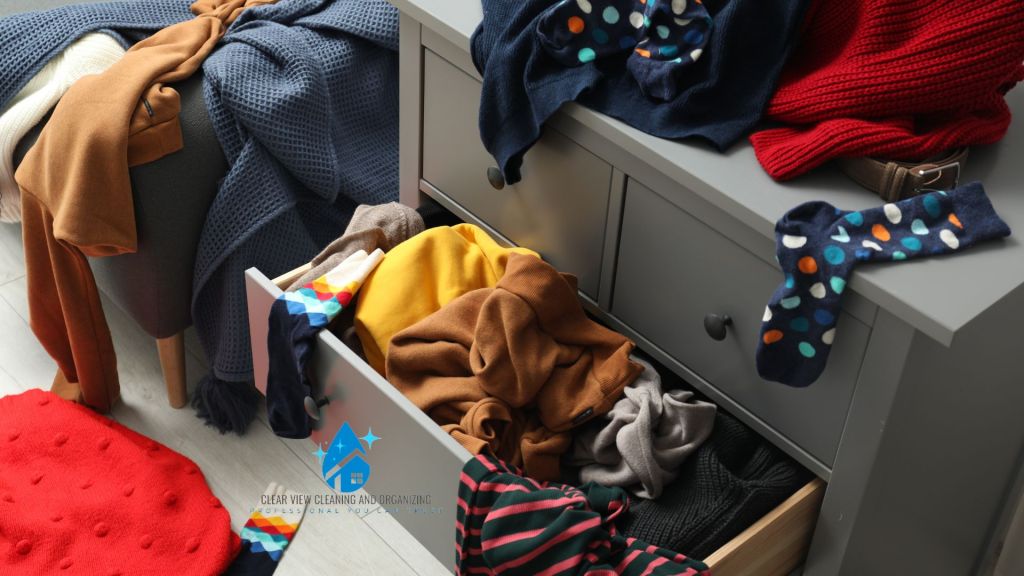
Depression cleaning refers to the often overwhelming process of cleaning and organizing a living space that has become severely neglected due to a lack of energy, motivation, and focus caused by depression. It frequently involves addressing extreme clutter or “doom piles” that accumulate during periods of mental health strain, with the goal of restoring functionality and reducing environmental stress.
Key Aspects of Depression Cleaning
- The Cycle: Depression can make cleaning difficult, while cluttered spaces may intensify stress and anxiety.
- Not Laziness: A neglected room is often linked to fatigue and executive dysfunction, not a lack of discipline.
- Function Over Perfection: The objective is restoring usability, not achieving a showroom appearance.
Practical Strategies
- Start Small: Focus on one area or surface at a time.
- Use Time Blocks: A short timer can make starting less daunting.
- Remove Trash First: Clearing obvious waste creates immediate impact.
- Ask for Help: Professional cleaning services can provide structured support when needed.
If symptoms of depression are persistent or severe, consultation with a licensed mental health professional is recommended. Resources such as the National Institute of Mental Health and the Substance Abuse and Mental Health Services Administration offer guidance. Clearview Cleaning and Organizing does not provide medical or mental health treatment.
Understanding the “Doom Pile”
The term “doom pile” has become a popular way to describe clusters of items that accumulate when decision-making energy runs low. Mail stacks on a table. Laundry gathers on a chair. Dishes linger on a nightstand. Packages sit unopened. None of these items are urgent individually, but together they form a visible backlog.
During periods of depression, these piles often grow more quickly. Executive functioning, motivation, and physical energy decline. Everyday decisions such as where to store an item or when to fold laundry feel more complex than usual.
Research published in Personality and Social Psychology Bulletin found that individuals living in cluttered home environments demonstrated elevated stress responses compared to those in more orderly spaces (Saxbe & Repetti, 2010). When mental health is already strained, environmental disorder can amplify that stress.
Depression cleaning is not about aesthetic preferences. It is about restoring a space to a level where daily life can function more smoothly.
Why Depression Affects Household Maintenance
Depression impacts more than mood. It often affects cognitive processes such as planning, prioritizing, and task initiation. According to the National Institute of Mental Health, fatigue, difficulty concentrating, and reduced interest in activities are common symptoms.
Household cleaning requires sustained attention, sequencing of steps, and physical effort. When energy and focus are diminished, maintenance tasks tend to fall behind.
Over time, clutter becomes both a practical obstacle and a psychological one. The visible accumulation of unfinished tasks can contribute to avoidance, which then allows more accumulation. This cycle explains why depression cleaning can feel so daunting.
Function as the Primary Goal
A key distinction in depression cleaning is the emphasis on function rather than appearance.
Restoring access to a clean bed.
Ensuring the kitchen sink is usable.
Maintaining a sanitary bathroom.
These practical outcomes have direct impacts on comfort and health. The Centers for Disease Control and Prevention emphasize that routine cleaning reduces allergens, bacteria, and other environmental irritants in the home. Even modest improvements in these areas can support physical well-being.
The goal is not perfection. It is usability.
Practical Approaches to Addressing Doom Piles
Depression cleaning strategies tend to focus on reducing cognitive load.
One widely recommended method is to begin with trash removal. Eliminating obvious waste requires minimal decision-making and often changes the appearance of a space quickly.
Another effective approach is isolating one surface or one zone rather than attempting an entire room. Clearing a single countertop or organizing one drawer limits overwhelm and builds visible progress.
Short, timed intervals can also help. Committing to a defined five- or ten-minute block reduces the perceived magnitude of the task.
These approaches work because they lower the activation energy required to begin.
When Professional Cleaning Support Is Appropriate
In some situations, clutter and buildup extend beyond what feels manageable alone. This is where professional services can provide structure and relief.
A comprehensive deep cleaning service can address accumulated grime, dust, bathrooms, kitchens, and high-touch surfaces that may have been neglected for weeks or months. The result is not simply visual improvement but a measurable restoration of sanitation and order.
Following an initial reset, bi-weekly cleaning services can maintain that stability. Regular scheduling prevents small lapses from compounding into larger overwhelm. Even standard recurring cleaning services play a preventive role by maintaining consistent hygiene and organization.
For households in Lakewood and surrounding areas, Clearview Cleaning and Organizing provides these services with discretion and professionalism. The purpose is not to evaluate how a home reached its current state, but to restore function and reduce environmental stress.
Cleaning and Mental Health: A Balanced Perspective
Cleaning alone does not treat depression. It does not replace therapy, medication, or professional mental health care. Clearview Cleaning and Organizing is not a medical provider.
However, environmental conditions do influence stress levels. The American Psychological Association has documented how chronic stressors, including environmental ones, accumulate over time. Reducing one ongoing stress source, such as visible clutter or unsanitary conditions, may contribute to overall stability.
Depression cleaning, then, can be understood as a practical intervention within a broader context of care.
A Measured Conclusion
Doom piles are rarely about laziness. They are often about capacity.
Understanding depression cleaning reframes clutter as a signal rather than a flaw. Addressing it, whether independently or with professional assistance, is a functional step toward restoring a supportive living environment.
For some, that step involves small, incremental progress. For others, it involves scheduling a professional deep clean to reset the space and implementing bi-weekly service to maintain it.
The objective remains consistent: a home that works for the people living in it.
FAQ (People Also Ask)
1. How much do cleaning and organizing services cost in Lakewood?
Cleaning and organizing services in Lakewood typically range from routine home cleaning rates to larger project pricing for decluttering and full-home organizing. Costs depend on the size of the home, level of buildup, and whether the service is recurring, deep cleaning, post-construction cleanup, or full-service organizing.
2. What is included in professional organizing and decluttering services?
Professional organizing and decluttering services usually include hands-on sorting, decision support, decluttering, category grouping, and customized organizing systems. Many professional organizers also help create sustainable routines so the space stays organized long after the session is complete.
3. Do professional organizers help you get rid of items and donate them?
Yes, many professional organizing services in Lakewood include donation assistance. This often involves sorting items for donation, bagging or boxing them, and helping coordinate drop-off or removal so homeowners can declutter faster and reduce decision fatigue.
4. How long does it take to declutter and organize a home?
Decluttering and organizing timelines vary based on clutter volume and the number of rooms involved. A single space like a closet or pantry may take a few hours, while larger projects like a full-home reset or unpacking after a move can take multiple sessions to complete.
5. What is the difference between deep cleaning and regular cleaning?
Regular cleaning focuses on maintaining cleanliness with consistent tasks like vacuuming, wiping surfaces, and bathroom resets. Deep cleaning is more detailed and targets buildup in areas like baseboards, fixtures, corners, and high-touch surfaces to improve sanitation and create a more refreshed home environment.
6. Is post-construction cleanup different from a standard cleaning?
Yes, post-construction cleanup is different because it targets fine dust, debris, and residue left behind after remodeling or renovation work. Post-construction cleaning typically includes detailed surface wiping, floor cleaning, and removal of dust that settles throughout the home after construction.
7. Can I book cleaning services without signing a contract?
Yes, many providers offer flexible scheduling with no long-term commitments. Clearview Cleaning and Organizing offers flexible, no-contract residential and commercial cleaning, which allows clients to book services based on their needs and timeline.
8. Do cleaning companies in Lakewood offer both residential and commercial cleaning?
Yes, many cleaning services offer both residential and commercial cleaning. This helps homeowners, property managers, and businesses maintain clean, professional spaces with consistent service options and customized scheduling.
9. Can cleaning and organizing services help with hoarding cleanup?
Yes, cleaning and organizing services can help with hoarding cleanup by providing structured support, sanitation, and step-by-step progress. Clearview Cleaning and Organizing offers hoarding services, which can be especially helpful for households that need a more intensive, respectful cleanup process handled with care and respect.
10. How often should I schedule a professional home cleaning?
Many homeowners schedule professional home cleaning weekly, biweekly, or monthly depending on household size, pets, and lifestyle. Recurring cleaning services help prevent buildup and keep the home consistently sanitized and easier to maintain between visits.